Ground control and C2
Mission planning, vehicle control, alerts and payload workflows in a clear operator interface.
 Start a project
 UK mission software, ground control and C2 integration for unmanned systems, including MAVLink, QGroundControl, ROS 2, telemetry and autonomy.
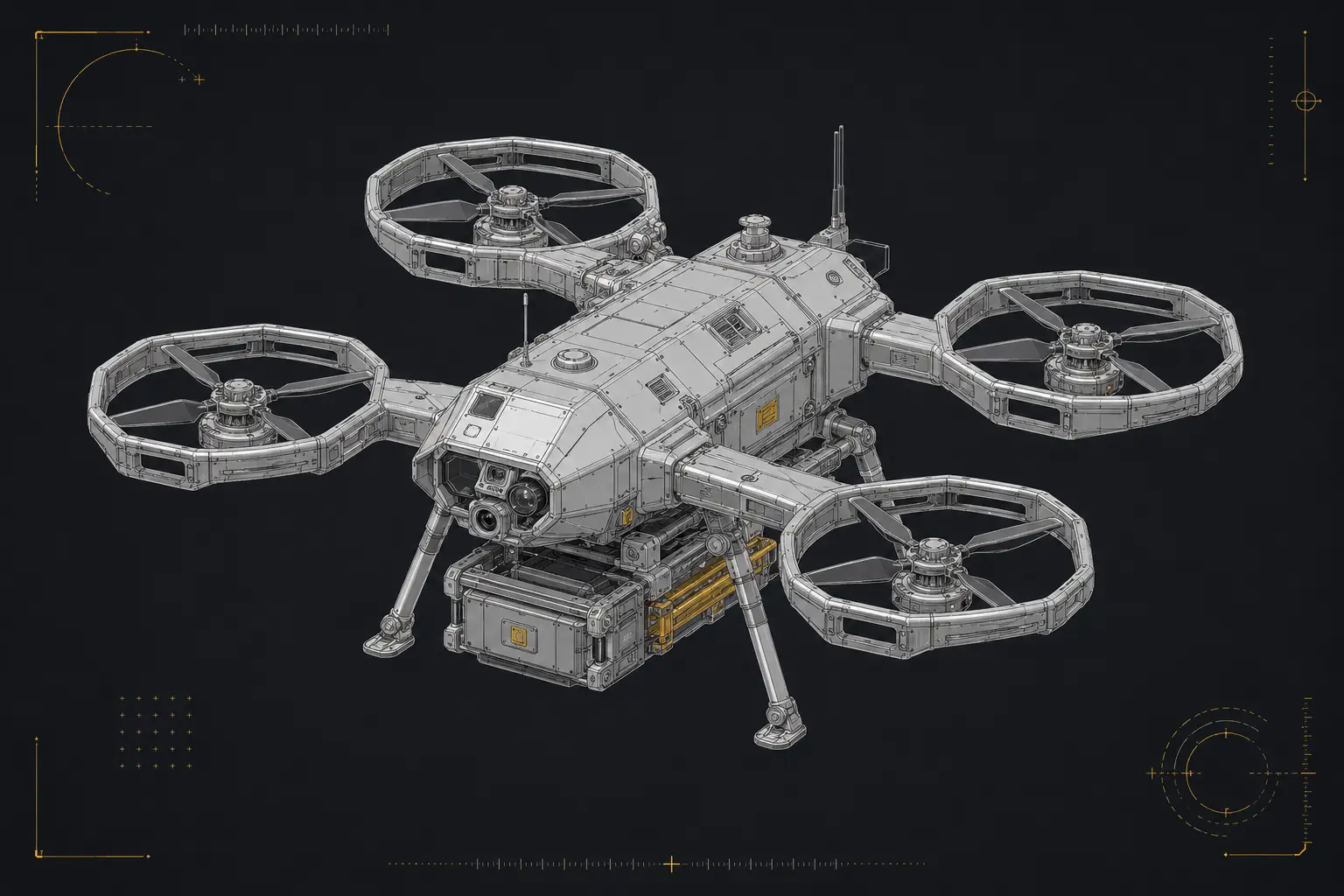
Mission software turns a vehicle, its payload and its data into one usable capability. RCDEN is developing operator-centred control systems for unmanned and robotic platforms.
A ground control system should show what matters now. It should make platform health, mission state, payload status and alerts easy to read. It should also make the next safe action clear.
We design the interface around the operator and the task. That may mean a focused QGroundControl adaptation, a dedicated control application or an integration layer that connects several systems.
Mission planning, vehicle control, alerts and payload workflows in a clear operator interface.
Platform, sensor and mission data moved through defined interfaces with useful health and event reporting.
Navigation and behaviours being developed within explicit limits, with human control and fallback states retained.
RCDEN can integrate ArduPilot, MAVLink, QGroundControl and ROS 2. These technologies provide capable foundations. The value comes from making them fit the vehicle, payload, user and assurance need.
Autonomy should reduce workload without hiding authority. We design human control, confidence, limits and degraded modes into the operating concept. The aim is to make system behaviour and authority clear to the operator.
Start with the current hardware and software configuration: flight or vehicle controller, firmware version, ground station, payload interfaces and communications links. Then identify the operator actions and data that the integration must support. A QGroundControl interface change, a MAVLink message and a ROS 2 node each solve a different part of that problem.
Agree command ownership, update rates, units, coordinate frames, timestamps and fault reporting at each boundary. For a lost link, restarted component or unavailable sensor, define what the operator sees and what the system is allowed to do. Tests should cover those conditions on the intended hardware as well as the normal workflow.
A useful enquiry includes the versions in use, available interface documentation and the required change. Our payload integration and robotics developmentservices connect that software scope to physical interfaces and trials.
This approach supports safer trials and better engineering decisions. It also makes faults easier to find because the interface exposes state instead of masking it.
Control software cannot be judged only on a desk. Timing, radio links, power state, vehicle dynamics and payload behaviour all affect the experience. RCDEN brings software and platform integration together so each can be tested against the other.
Yes. We can develop operator workflows, payload controls and telemetry interfaces around QGroundControl, ArduPilot and MAVLink. Work begins with the hardware, existing software version and required behaviour so changes can be tested against the actual system.
Security requirements must be defined for the deployment: who can issue commands, which networks carry data, what is recorded and how updates are controlled. These requirements shape the architecture and tests. Our assurance approach explains how we distinguish engineering evidence from certification claims.
We will help define a practical route from the operating need to a testable robotic capability.
Contact RCDEN