The Ultimate Guide to Debugging Tools and Techniques
The Ultimate Guide to Debugging Tools and Techniques
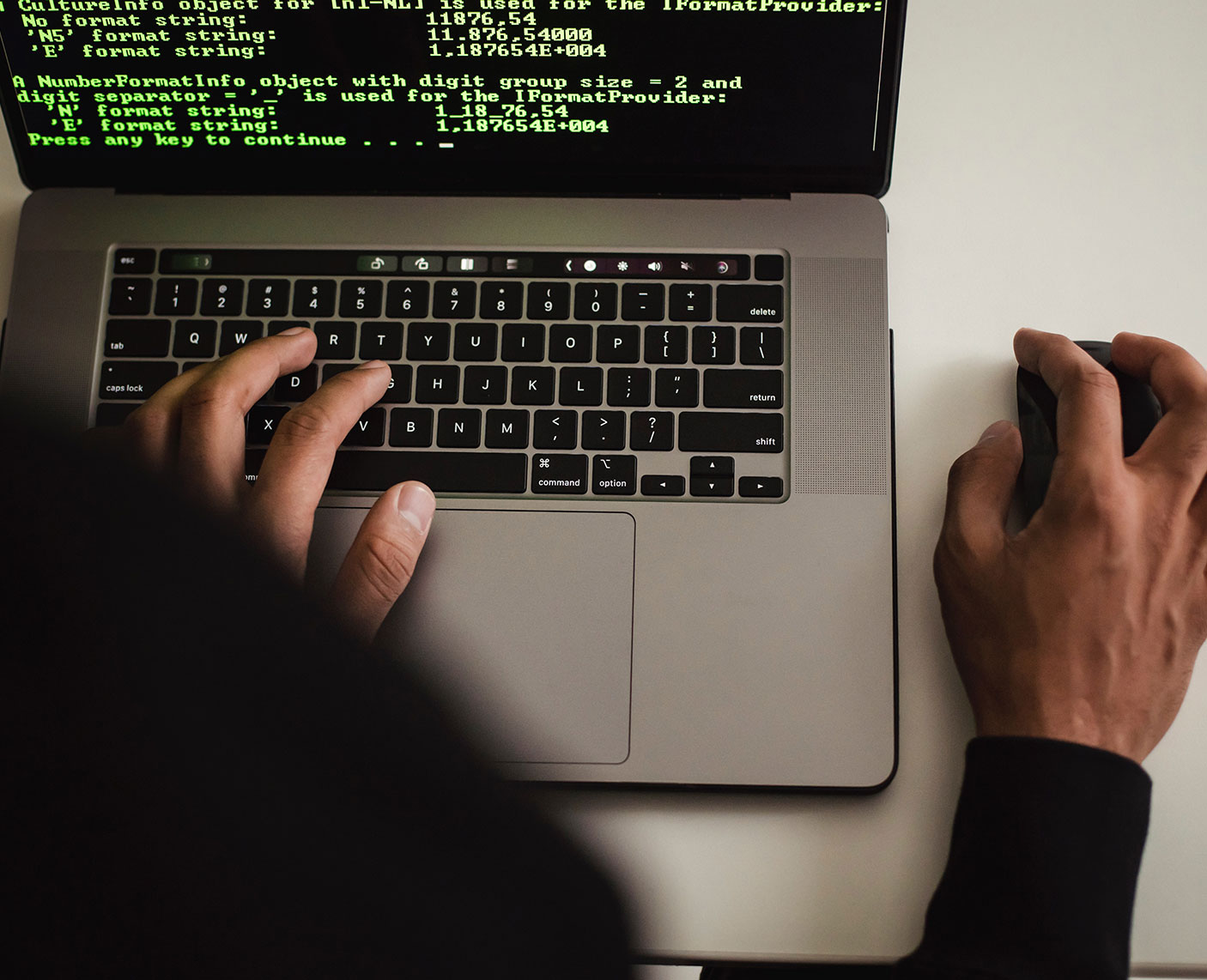
Debugging the Future: How Robotics Engineers Are Winning the Invisible Battles
Published: 4 November 2025 — by Anthony Deacon
The Silent Struggle Behind the Machines
In the fast moving world of robotics, November 2025 feels like a tipping point.
High end personal robots are rolling off assembly lines, autonomous drones streak across city skies, and ROS 2 has evolved into the backbone of modern autonomy.
Yet behind every seamless demo or competition win lies a battle most people never see the debugging grind that makes or breaks real world reliability.
GPUs, Jetsons, and the Art of Balance
A few years ago, developers could get by with simple tools like:
That era is gone.
Today, camera feeds and sensor fusion stacks stream through CUDA kernels on Jetson Orin boards, where a single misplaced synchronisation call can derail an entire perception pipeline.
To keep pace, engineers have turned to NVIDIA’s evolving arsenal of debugging tools:
-
tegrastats— the humble performance heartbeat, reporting RAM, CPU, and GPU temperatures in real time. -
Nsight Systems — a full system profiler mapping CPU–GPU overlaps across distributed processes.
-
Nsight Compute — kernel-level deep dives exposing warp efficiency and memory bottlenecks.
Mastering these tools has become an art form, overlaying GPU traces with CPU callbacks, nudging kernels apart with NVTX markers, and hunting the elusive 3 ms of latency that separates “good” from “production-ready.”
ROS 2: The Diagnostic Backbone
The debugging ecosystem inside ROS 2 has matured dramatically.
-
ros2 doctornow acts as the health check, flagging broken environments or mismatched middleware before launch. -
ros2_tracingdelivers microsecond-precision timelines across nodes — the truth serum of distributed latency. -
rqt_graphandrqt_consoleturn chaos into visibility, letting teams trace every publisher, subscriber, and log stream in seconds. -
And when coordinate frames start drifting?
tf2_echo,view_frames, andtf2_monitorare still the trusted tools for aligning the invisible geometry of robots.
These utilities have become the shared language of roboticists everywhere, simple commands that decode the behaviour of extraordinarily complex systems.
Inside the Simulation: Isaac Sim Goes Cinematic
Enter NVIDIA Isaac Sim, now the de facto sandbox for advanced robotics R&D.
Teams are building entire warehouses, delivery fleets, and humanoid motion planners inside Omniverse, debugging in environments that look and behave like the real world.
The Debug Drawing API lets developers visualise paths, fields of view, and sensor rays directly inside the scene.
The Omniverse Commands Tool records every UI click as Python code, transforming experimental tweaks into repeatable scripts.
With Visual Studio Code debugging attached live to the simulator, breakpoints now pause photorealistic robots mid-motion.
It’s no exaggeration: debugging has become cinematic.
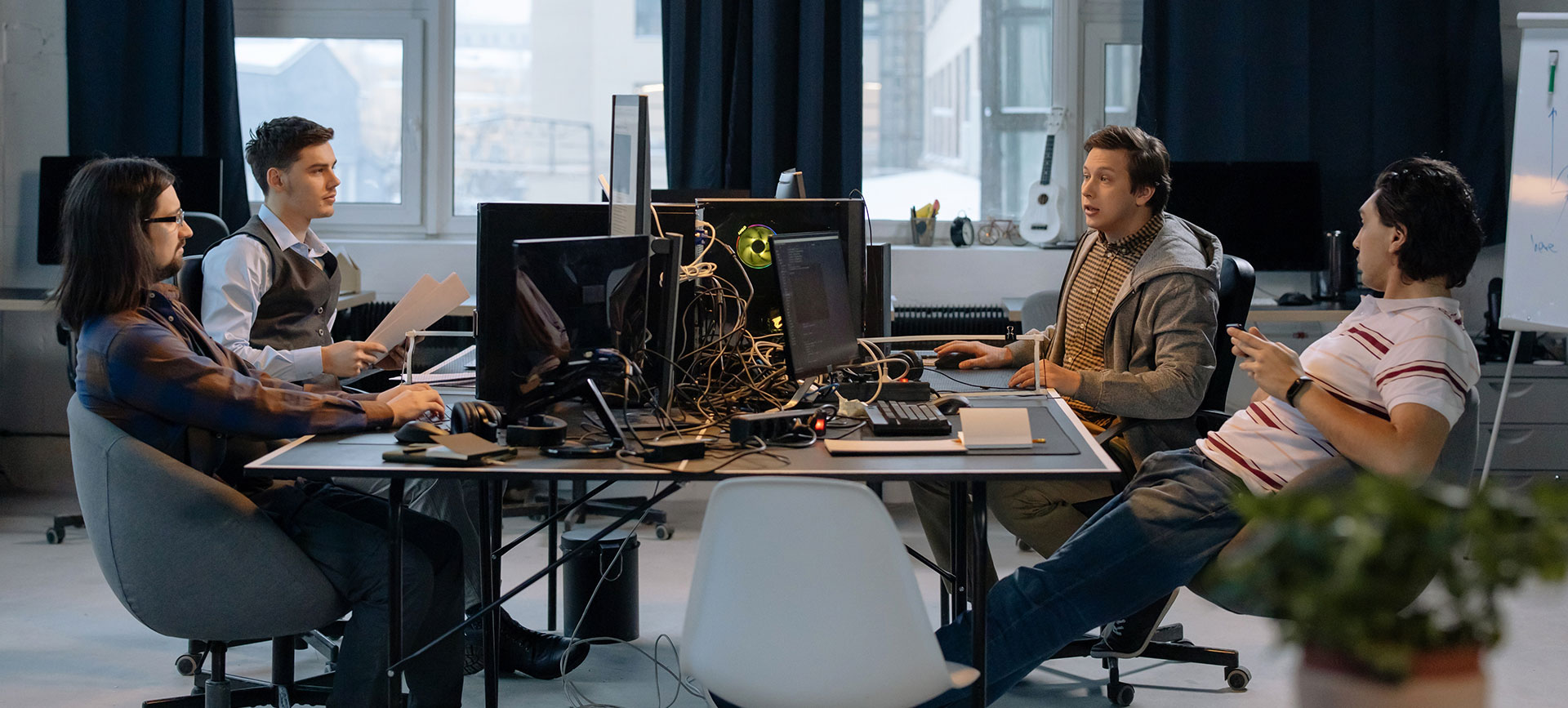
Our amazing team is always hard at work
Where Hardware Meets Middleware
One of the most interesting trends of 2025 is the fusion of hardware telemetry with ROS 2 diagnostics.
The isaac_ros_jetson_stats package now streams Jetson system metrics straight into ROS topics. Developers can:
-
Change power modes on the fly (
/jtop/nvpmodel), -
Control fan speed profiles,
-
And monitor throttling or thermal limits without leaving the ROS environment.
This real time bridge between physical hardware and distributed software is redefining what “live debugging” means for robotics.
Lessons from the Frontline
As we step deeper into 2025, one truth stands out: debugging isn’t an afterthought, it’s a core engineering skill.
Every robotics success story shares the same DNA:
-
Keen observation,
-
Relentless testing,
-
And an intimate understanding of how sensors, threads, and voltages dance together.
From ros2_tracing timelines to tegrastats readouts, from Nsight profiles to Isaac Sim overlays, today’s engineers are wielding tools that blur the line between software insight and hardware intuition.
The Closing Thought
Debugging the next generation of robots is no longer about hunting for a single line of bad code, it’s about orchestrating performance across entire digital ecosystems.
The engineers who can interpret GPU traces, reconcile QoS mismatches, and read a tegrastats output like a cardiogram — those are the ones writing the future.
And if 2025 has taught us anything, it’s this:
The future of robotics doesn’t just belong to the builders — it belongs to the debuggers.
Want a challenge? Dubug and implement this code below…
How It Works
| Layer | Purpose | What Happens |
|---|---|---|
| ROS 2 Timer | Triggers every 100 ms | Creates a deterministic loop for the test |
| NVTX Markers | Label CPU and GPU regions | Appear as coloured zones in Nsight Systems |
| CUDA Events | Measure GPU duration precisely | Records per-kernel timings in milliseconds |
| ros2_tracing | Logs CPU timestamps | Integrates with the ROS 2 tracing session (ros2 trace) |
When you run both ros2 trace and an Nsight capture simultaneously, you’ll see perfectly aligned CPU and GPU timelines.
That alignment lets you detect micro-delays — e.g. CPU thread blocking the GPU queue, or GPU starvation before frame render.
Most teams never mix CUDA, NVTX, and ROS 2 tracing — they profile separately.
This proposes nanosecond-level insight into pipeline latency.
It’s useable most robotics, high-end perception pipelines, and aerospace robotics, where every millisecond matters.